Mastering the 'Verse:
Your Guide to Star Citizen's Mechanics
Welcome to Star Citizen, a high-fidelity "First-Person Universe" where every action is physicalised and systemic. Unlike traditional space games, there are no shortcuts here; you don't just "teleport" into a ship, you live the life of a pilot. This page is your essential guide to understanding the deep systems that make Star Citizen truly unique, helping you navigate its complexities and fully immerse yourself in its rich, dynamic world.

Seamless immersion: the first-person universe
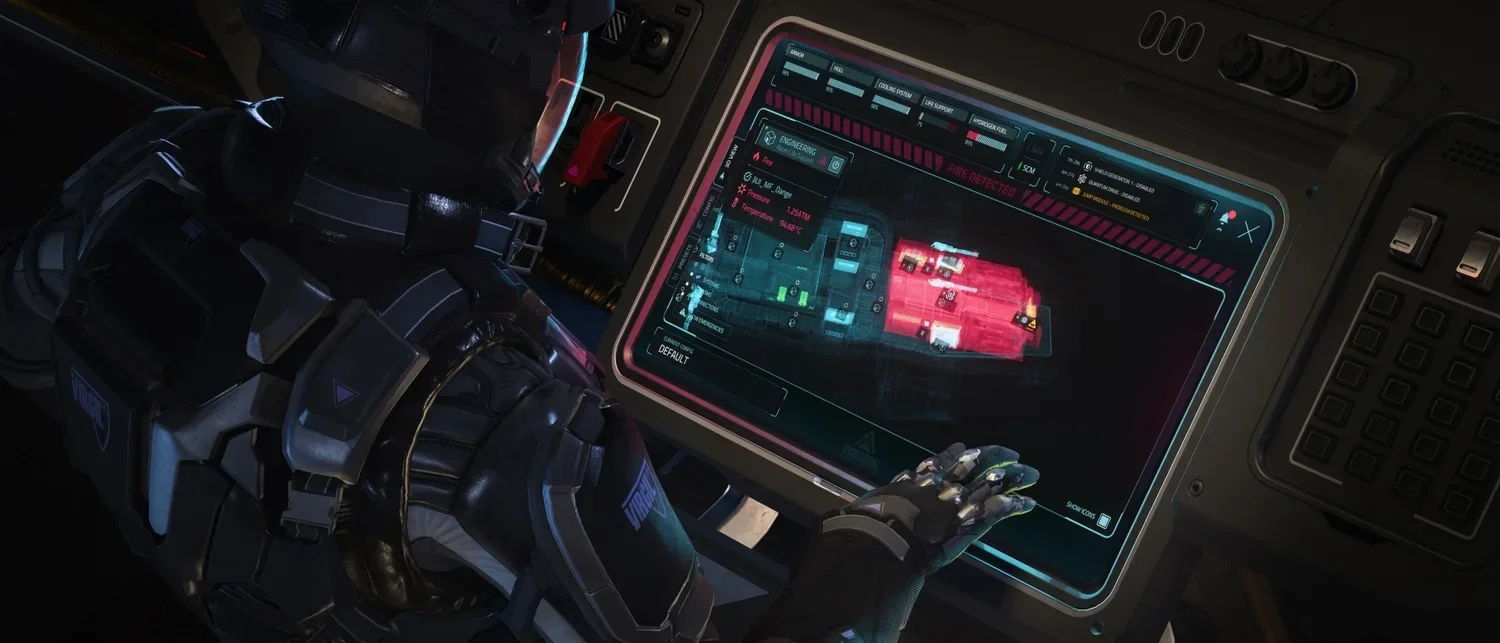
One of Star Citizen's most groundbreaking mechanics is its total seamlessness, with an absolute lack of loading screens. Imagine waking in your bed at a city like Area18, taking a transit train to the spaceport, boarding your ship, flying through the atmosphere, and jumping to a different star system—all in one continuous, uninterrupted experience. Every object in the game is also interactable, from manually flipping switches in your cockpit to managing your ship's power distribution through Multi-Function Displays (MFDs), fostering a truly tactile interaction.

Every action matters: physicality & survival
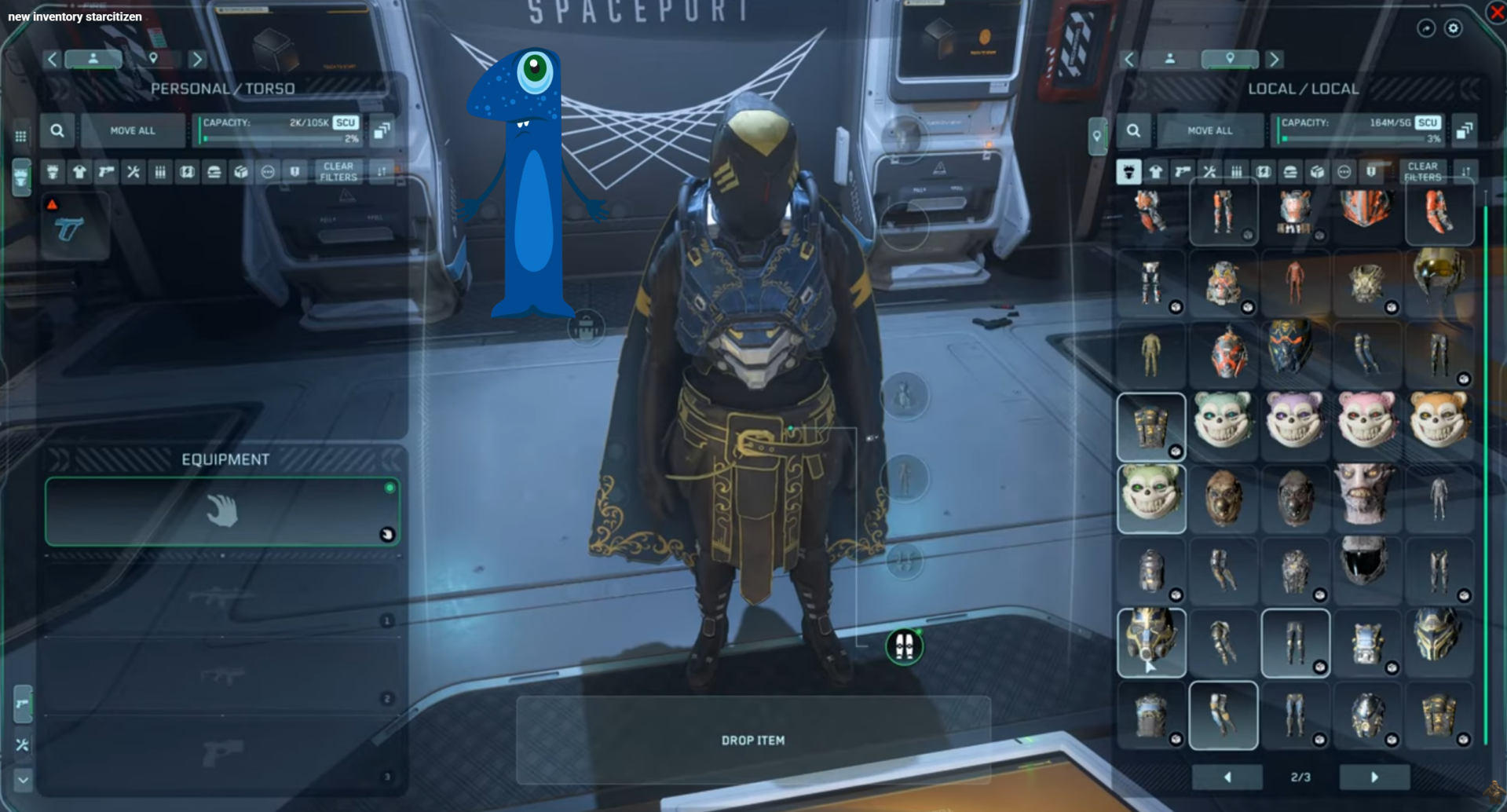
Forget the "magic backpack" – in Star Citizen, storage is physical and limited by the suit you wear and the lockers on your ship. Transporting items requires a ship with sufficient SCU (Standard Cargo Units). Survival is a core mechanic, too. The Actor Status System demands you manage hydration, nutrition, and body temperature. Extreme environments, such as the frozen tundra of microTech or the searing heat of Aberdeen, necessitate specialised environmental suits to ensure your survival.
Intricate systems: health & economy
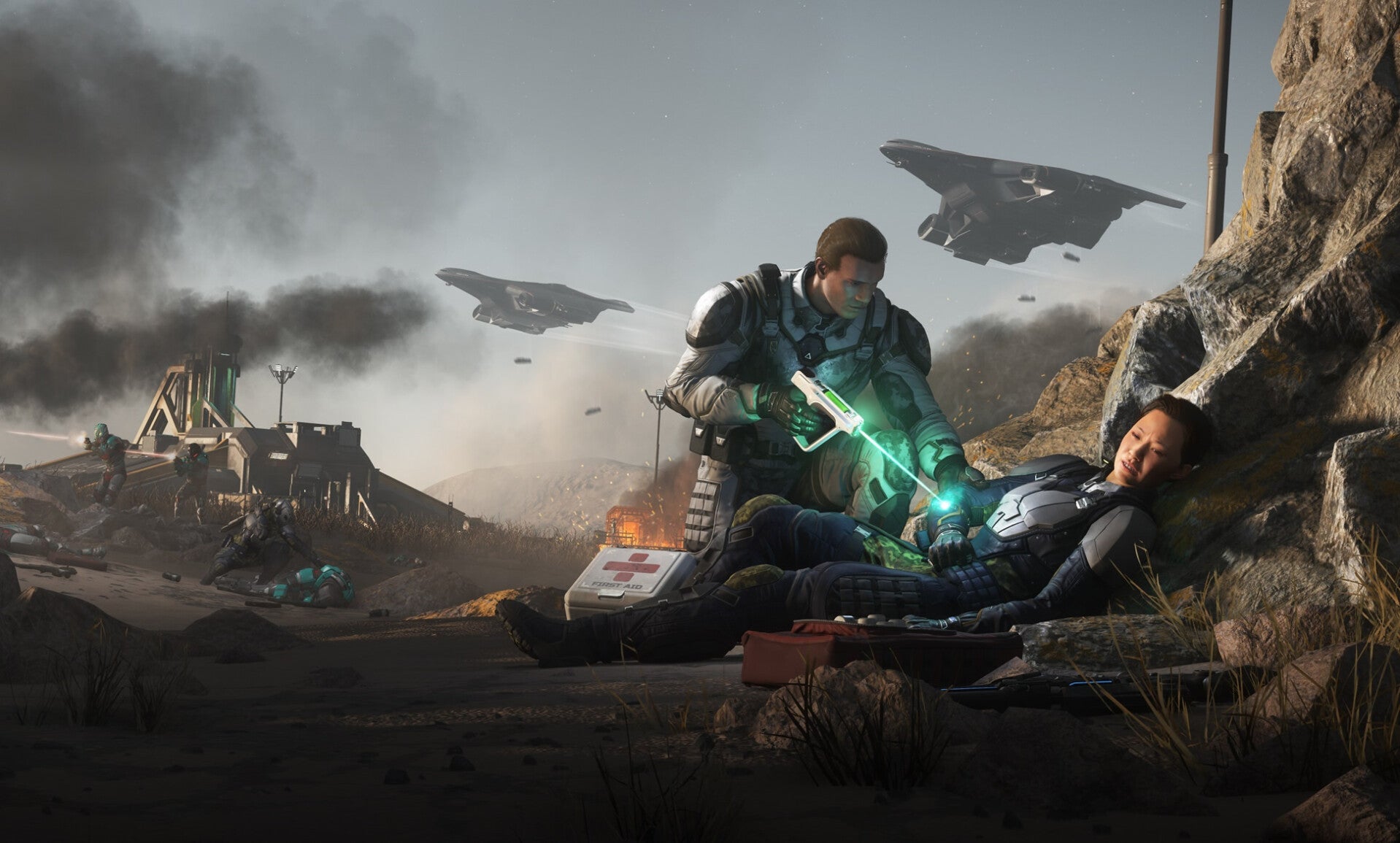
Damage in Star Citizen is localised; an injury to your leg will make you limp, while a head injury might blur your vision. Healing ranges from basic MedPens for minor wounds to full surgical procedures in hospitals or medical ships like the Apollo. Ships utilise a Nested Command System (IFCS) that calculates thrust from individual thrusters, creating weighty, realistic flight. Furthermore, the systemic economy sees commodity prices fluctuate based on player actions and supply/demand across the Stanton system.
For every citizen: from novice to veteran
This page serves as a comprehensive bridge for all citizens of the 'Verse. For brand new players, our primary goal is to demystify the "Initial Confusion" by explaining fundamental survival (Actor Status System) and first flight essentials (IFCS, Quantum Travel, landing requests). For experienced players, we dive into the systemic complexities, covering component engineering via the Resource Management system and advanced localised damage with the Maelstrom physics engine. By including links to the RSI Progress Tracker and explaining upcoming tech like Server Meshing, we provide a deep dive into the future of the game's engine.
This isn't just a manual it's a resource hub that grows with you.
Demystifying inventory: no magic backpack
One of the most common confusions for new players is the physicalised inventory system. Unlike other MMOs, you don't have an infinite "magic bag." If you buy gear and wonder why it's not in a "global" inventory, the reality is that inventory is local and physical. If you leave your armour at Area18, you cannot access it at Orison. You must physically transport your items in a ship's cargo hold. Understanding this is crucial for managing your gear effectively.
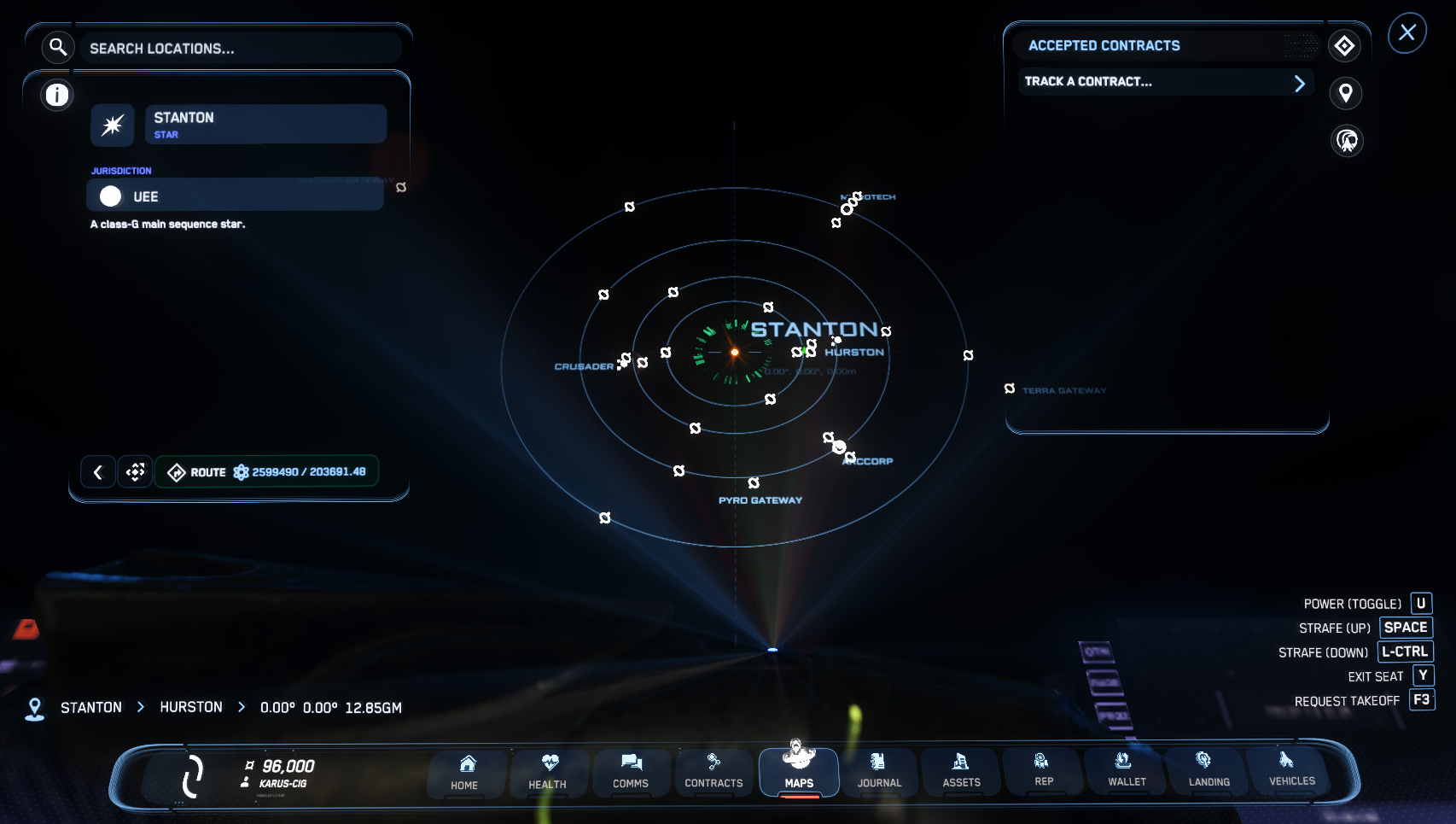
Navigating the stars: quantum travel explained
New players often get stranded in deep space or struggle to "spool" their Quantum Drive. Quantum Travel requires a clear line of sight, enough Quantum Fuel, and a calibrated drive. We'll help you understand the critical difference between Hydrogen Fuel (for normal flight) and Quantum Fuel (for long-distance jumps). Upgrading your Quantum Drive is often one of the first things you should do to ensure smooth voyages across the Stanton system.
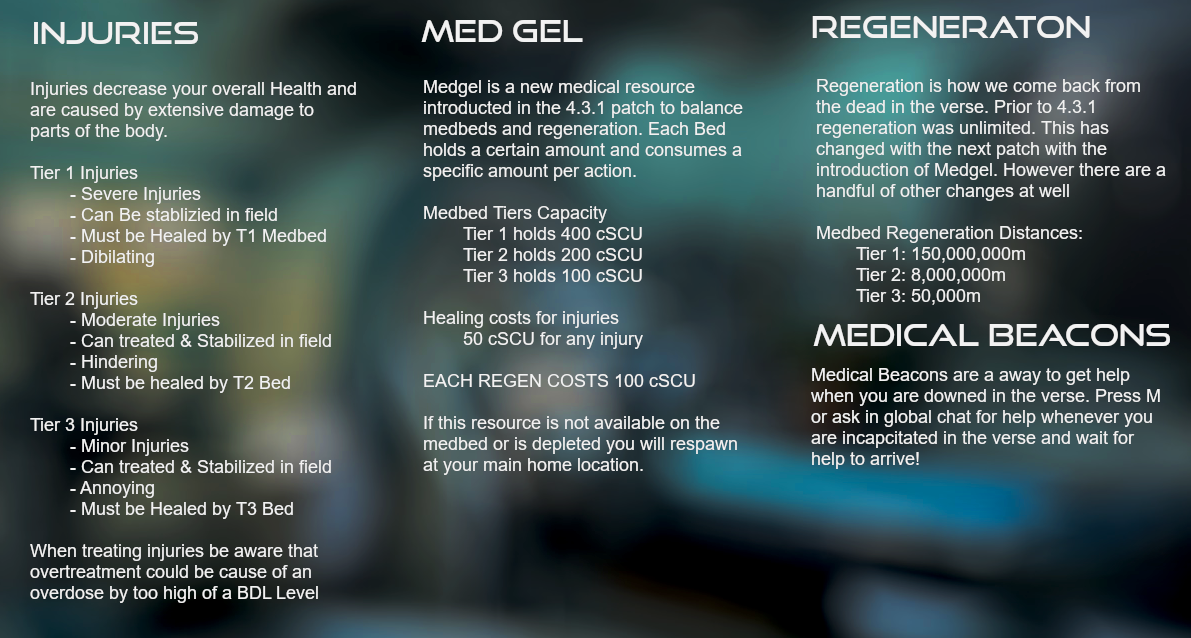
Healing in the 'verse: understanding medical tiers
Players often die because they don't understand why a MedPen won't fix their blurry vision or limping leg. Injuries have distinct Tiers (1, 2, and 3). A MedPen only stops bleeding and restores health; it doesn't heal "Injuries" themselves. Severe damage requires a Medical Bed in a hospital or a specialised medical ship like the Cutlass Red. Knowing the difference is crucial for survival and effective recovery in the 'Verse.